 English
 Español
 Français
WHAT'S THE BUZZ?🦟
As a ministry team specialist, one of my tasks is to inform teams of needed vaccinations and other health-related travel information in addition to making travel arrangements and securing travel insurance.
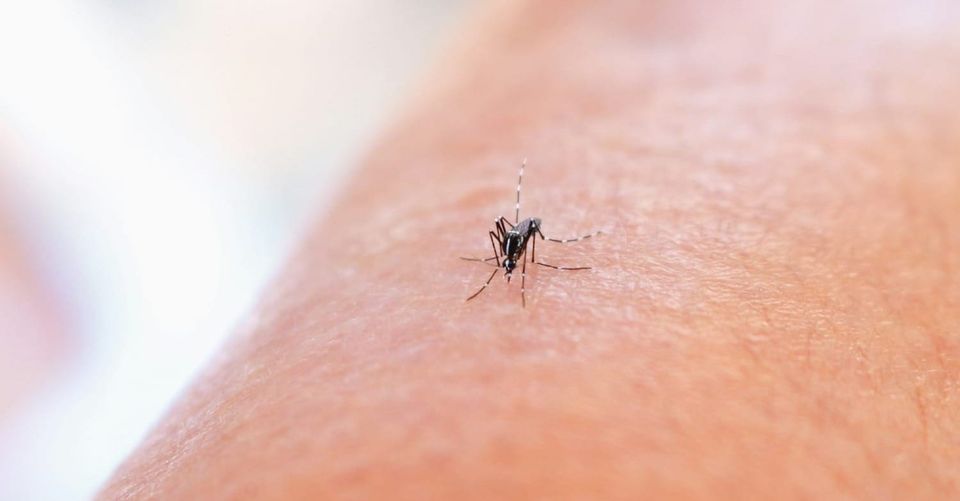
Most of my tasks are very detail oriented. For example, since our teams are often traveling to mosquito prone areas, I need to do some research on those buzzing critters to help protect from disease.
Mosquitoes are a necessary nuisance here in the United States. In other parts of the world, they are also carriers of potentially fatal diseases.
So, how do we determine if our teams need vaccinations for mosquiteo-borne diseases?
Great question, and recently, I had to figure this out for a team going to Latacunga, Ecuador, where no MFM team has gone before.
So where do I start? 🤔
The CDC website is a great source for this type of research in the Travelers’ Health section: https://wwwnc.cdc.gov/travel/.
From the landing page, I can search for the destination country, and once on the country page, I can click on vaccines and medications. As I look through the list for information on diseases spread by mosquitoes, for instance, malaria, yellow fever, and chikungunya appear.
For diseases spread by mosquitos, I need to find out the elevation of the city we are traveling to. A quick Google search provided the answer on Wikipedia (which I verified with other search results 😉) The elevation of Latacunga is 9,055 ft.
So, I go back to the CDC website and find:
- For malaria: in the province of Cotopaxi, the transmission area are places <1,500 m (<5,000 ft) elevation.
- For yellow fever: the vaccine is generally not recommended for travel limited to areas <2,300 m (7,550 ft) elevation … and designated areas in the provinces listed and Cotopaxi is listed there.
- For chikungunya: the vaccine is not recommended, but the CDC recommends being proactive at preventing mosquito bites. But, we can determine our travelers to Latacunga will not need to worry about chikungunya because the other mosquito-borne diseases have transmission areas in elevations less than 7,550 feet. Latacunga is at 9,055 feet! 😎
I have been told that mosquitoes do not live in higher elevations, and so I looked. According to the Mosquito Joe website: “Mosquitoes are less likely to be found in elevations levels above 1,500 to 2,000 m (4,921 to 6,561 ft), this is primarily due to the lower temperature of these high-altitude areas.”
The end result:
Through all my research, as far as mosquito-borne illnesses for our team heading to Latacunga, they should not have to worry about mosquitoes.

So, that's the buzz!
Of course, this is just one small step in the process of sending a team overseas. I need to go back to the list and inform the team of other vaccinations and prophylaxes (disease prevention actions) they may need.
I also need to do a background check, get a copy of their passport, track donations, set-up travel insurance, figure out airfare, and so much more before a person leaves on their life-changing journey. ✈️
Thanks for letting me share just a little bit of my detail-filled life. 😊